
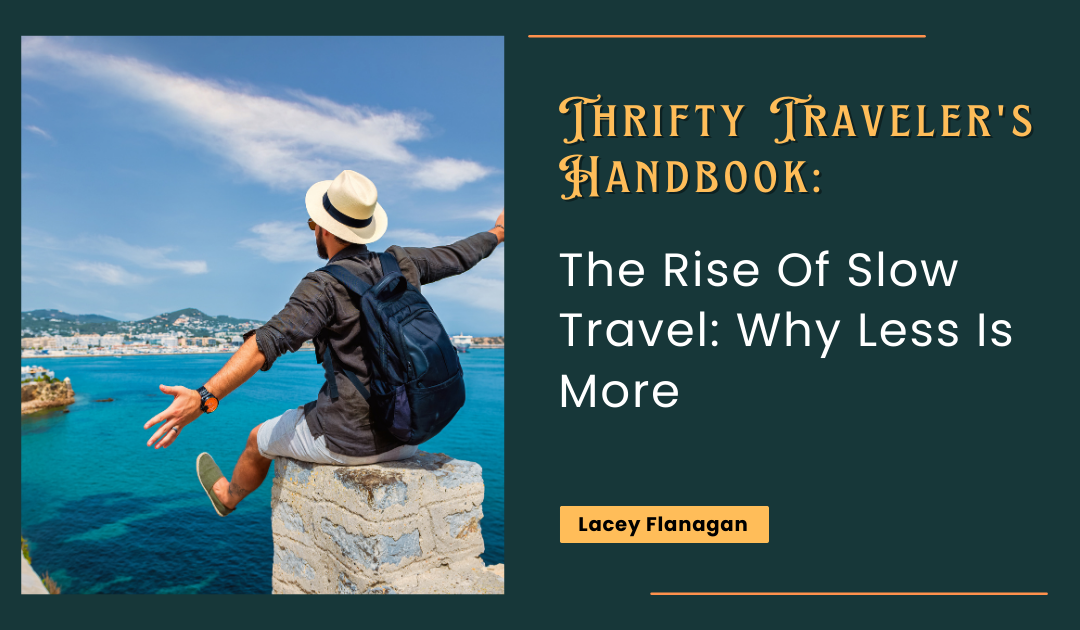
In a world where speed and efficiency often dominate, the concept of slow travel is gaining momentum as a counterbalance to the rush of modern life. Slow travel emphasizes quality over quantity, encouraging travelers to take their time, immerse themselves in local cultures, and build meaningful connections with the places they visit. This approach is not only transforming the way people travel but also redefining what it means to have a truly enriching experience.
Slow travel is rooted in the idea of savoring the journey rather than focusing solely on the destination. Unlike traditional tourism, which often involves cramming as many activities and sights into a short period as possible, slow travel advocates for a more deliberate pace. This could mean spending weeks in a single city, exploring its neighborhoods, connecting with its people, and learning its rhythms. The goal is to go beyond surface-level tourism and experience a destination as if you were a local.
One of the key benefits of slow travel is the opportunity to foster deeper connections with local cultures. Staying in family-run accommodations, shopping at local markets, and participating in community events allow travelers to engage with the daily lives of residents. This not only enriches the travel experience but also supports local economies and fosters a sense of cultural appreciation. Instead of merely observing from a distance, slow travelers become participants in the stories and traditions of a place.
Environmental consciousness is another driving force behind the rise of slow travel. By reducing the number of flights and opting for sustainable modes of transportation, such as trains, buses, or even bicycles, travelers can significantly lower their carbon footprint. Slow travel often involves staying in one location for an extended period, minimizing the environmental impact associated with frequent moving. Many slow travelers also prioritize eco-friendly accommodations and activities, aligning their journeys with a commitment to sustainability.
Slow travel also promotes well-being and mindfulness. The fast pace of traditional tourism can leave travelers feeling rushed and exhausted, turning what should be a relaxing vacation into a stressful experience. Slow travel, on the other hand, allows for more downtime and the freedom to explore without a rigid itinerary. It encourages travelers to be present in the moment, whether they’re savoring a local dish, wandering through a historic neighborhood, or simply sitting in a park and observing daily life.
One of the most rewarding aspects of slow travel is the opportunity for personal growth. Immersing yourself in a new culture, learning a few words of a foreign language, or forming connections with people from different backgrounds broadens perspectives and fosters empathy. Slow travel often involves stepping out of your comfort zone, which can lead to newfound confidence and a deeper understanding of the world.
The logistics of slow travel also align with the growing trend of remote work. With more people working from anywhere, travelers have the flexibility to spend extended periods in a single location while maintaining their professional responsibilities. This has led to the rise of digital nomads, who combine work and travel in a way that prioritizes immersion and balance. Co-living spaces and long-term rentals are becoming increasingly popular, providing the infrastructure needed for this lifestyle.
Slow travel challenges the conventional idea that travel must be packed with constant activity and sightseeing. It suggests that the most memorable experiences often come from simple moments, such as a conversation with a local artisan, a quiet hike through a forest, or an unhurried meal at a small café. By embracing the philosophy of “less is more,” slow travelers discover the joy of depth over breadth, creating experiences that resonate long after the journey ends.
The rise of slow travel reflects a broader shift in how people view the world and their place in it. As travelers increasingly prioritize authenticity, sustainability, and mindfulness, slow travel offers a pathway to meaningful exploration. It invites people to pause, connect, and savor the richness of each moment, transforming travel from a checklist of destinations into a journey of discovery and connection.